
Story Stitch
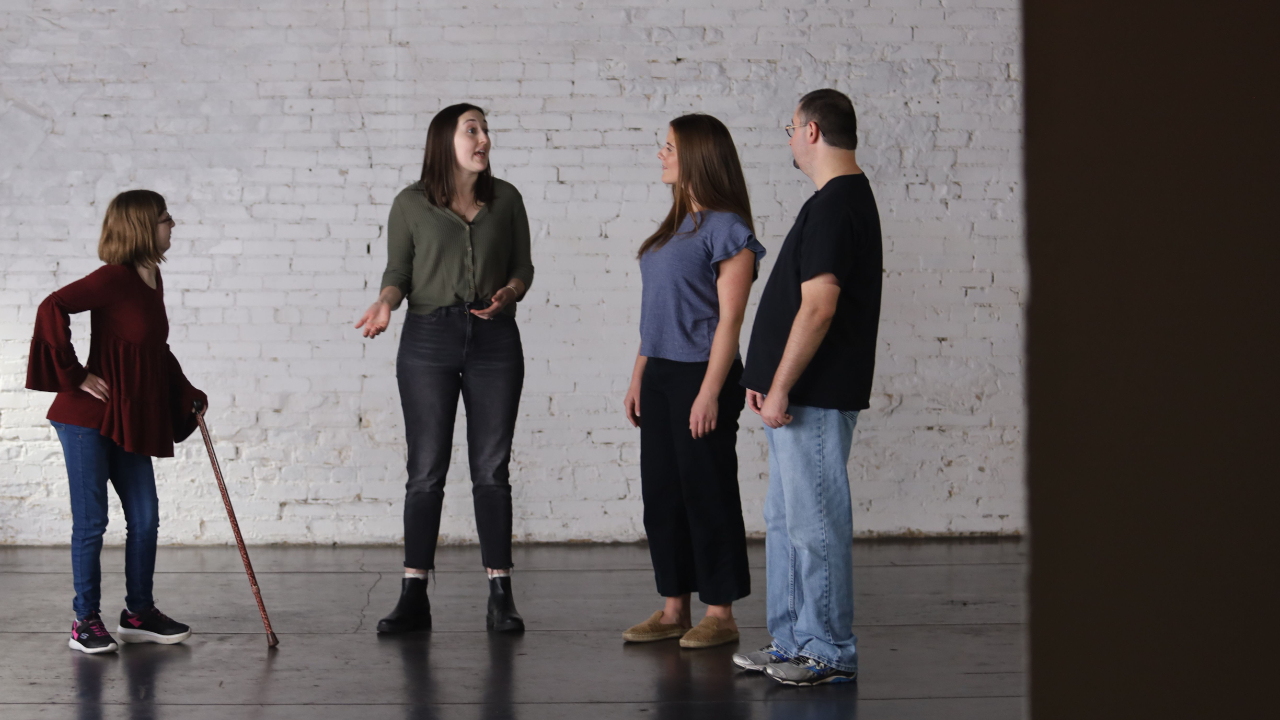
Need a fun, low-prep activity to strengthen storytelling, teamwork, and communication? Story Stitch encourages students to listen, think quickly, and build on each other’s ideas. It’s a playful way to practice creativity while reinforcing important social and cognitive skills.
Here’s how it works:
- Form a circle so everyone can see and hear each other. Choose one student to start the story with a sentence or short phrase (e.g., “Once upon a time, in a land far away, a unicorn was baking a cake.”).
- Go around the circle, with each student adding one new sentence or idea that builds on what came before (e.g., “The unicorn was having trouble getting the right flavor into the batter.”). Encourage active listening so each addition connects logically to the story.
- End the story after everyone has gone two rounds, you reach a 3–5 minute time limit, or the story comes to a natural conclusion.
Variations:
Level Down
- If someone gets stuck, give a prompt like, “Suddenly, But then, And because of that…”
- Students act out what happens next rather than using words
- If your group is impulsive or talkative, use a visible cue (a soft object “story baton”) so only the person holding it speaks.
- Allow students to add just one word or a short phrase instead of a full sentence. Alternatively, students could also share a sound effect (ex. Whoosh, bam, ah)
- Give two simple choices (“Does the character run away or ask for help?”) and the student picks one to continue.
Level Up
- Instead of going in order, students point to who goes next. Everyone starts standing; after a student shares, they sit down. Students can only choose from those still standing.
- Before a student shares, assign a role: add a detail, introduce a problem, offer a solution, or create a twist.
- Require each sentence to include a specific element (a color, a feeling word, a setting change, or a character action).
- Choose a category (mystery, adventure, funny, holiday, classroom-themed) and keep the story consistent.
- Debrief after the game to discuss what students learned and noticed about teamwork or storytelling.
